
Clothing Label Design: FTC Rules, Care Labels and Tips
What should a clothing label include?
In the United States, most clothing sold to consumers needs labels that show the fiber content, the country of origin and the name or RN number of the company responsible for the product, plus a permanent care label with washing and drying instructions. Your brand label, with your logo and sometimes the size, sits alongside those required labels. Good clothing label design makes the required information easy to read and the brand label consistent with the rest of your identity.
This guide covers the label types, what the Federal Trade Commission (FTC) requires, where labels go, label materials and sizes, and how to design a brand label people will notice. Pros Inc designs labels, packaging and brand identities for small businesses from our office in San Diego. Requirements below come from FTC business guidance, read as of October 2026. This is general information, not legal advice; check the current FTC rules or ask a qualified professional about your products.
Types of clothing labels
Most garments carry more than one label:
- Brand label: your logo or name, often at the back neck. This is the label customers see first.
- Content and origin label: fiber content, country of origin and your company name or RN.
- Care label: washing, drying, ironing and bleaching instructions, and any warnings.
- Size label: often a small tab or part of the brand label.
- Hang tag: a removable card with price, story or product details. It does not replace the sewn-in labels that must stay on the garment.
The required information can share one label or be split across several, so you can design a clean brand label and put the rules-based text on a separate tag.
What the FTC requires on clothing labels
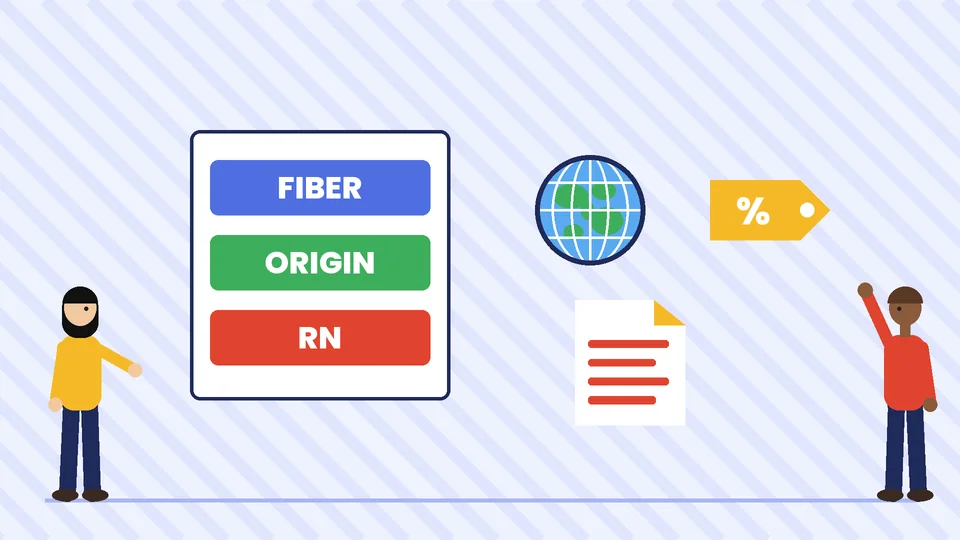
The FTC’s guide Threading Your Way Through the Labeling Requirements Under the Textile and Wool Acts explains three required disclosures for most textile and wool products.
Fiber content
List the generic fiber names, such as cotton, polyester or wool, with the percentage of each by weight, in order from most to least. Fibers under five percent of the weight are generally listed as “other fiber” or “other fibers.” All fiber names and percentages must be in type of equal size and prominence, so you cannot print one fiber in capitals and the rest in small letters.
Country of origin
Imported products must name the country where they were made. Products made in the U.S. of U.S. materials are labeled “Made in U.S.A.” or an equivalent phrase, and products made in the U.S. of imported materials must say so, for example “Made in U.S.A. of imported fabric.”
Your company name or RN
The label must show the name of the manufacturer or another U.S. company that markets or handles the product, or that company’s Registered Identification Number (RN). An RN is a number issued by the FTC to U.S. businesses. You do not need one to sell clothing, but it lets you avoid printing your full company name. You can look up and apply for RNs through the FTC RN database.
Where the labels go
According to the FTC guide, in a garment with a neck, the label showing country of origin must be attached to the inside center of the neck, either midway between the shoulder seams or very near another label there. Fiber content and your name or RN can be on the same label or another label that is easy to find, such as a side seam. Garments without a neck, such as skirts and pants, need the information on a label that is easy to find, like the inside of the waistband. A label inside a pocket or pant leg does not count.
Care labels
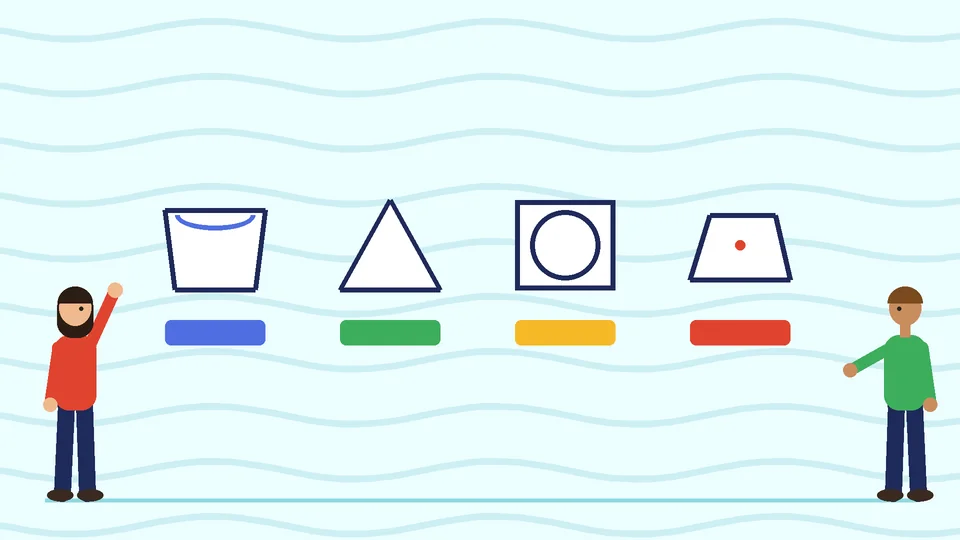
The FTC’s Care Labeling Rule requires care instructions on a permanent label for most apparel. The FTC guide Clothes Captioning: Complying with the Care Labeling Rule says care labels must:
- be attached so they will not separate from the garment and stay legible for its useful life;
- be easy to find when the garment is sold;
- give regular care instructions for washing or drycleaning, drying, ironing and bleaching, plus warnings about any procedure that would harm the garment;
- be backed by a reasonable basis, such as tests or experience with the fabric.
You can use care symbols instead of words if you follow the ASTM symbol system the FTC guide describes. Symbols save space and work across languages, but test that they print clearly at your label size.
Designing your brand label
Keep the logo simple
A woven or printed label is small. Use the simplest version of your logo, without thin lines or small taglines that blur in thread. Our post on logo file formats explains which files a label maker will ask for, usually a vector file.
Use your brand colors
Pick one or two colors from your brand color palette. Woven labels use thread colors that may not exactly match your screen colors, so ask the maker for thread samples and approve a physical proof.
Choose readable type
Required text must be legible, so use a clear font at a size your maker can reproduce. Our guide to brand fonts covers choosing fonts that read well at small sizes.
Think about comfort
Labels touch skin. Soft materials, smooth edges and printed neck labels instead of sewn tags can reduce scratching. Many brands print the brand and size inside the neck and move content and care details to a side seam label.
Label materials
| Material | Look and feel | Good for |
|---|---|---|
| Woven (damask or taffeta) | Durable, detailed, premium feel | Brand labels |
| Printed satin or cotton | Soft, smooth, fine text | Care and content labels |
| Heat transfer or screen print | No tag, prints directly on fabric | T-shirts and activewear |
| Leather or faux leather patch | Rugged, visible outside | Denim, bags and outerwear |
Ask your maker about minimum orders, folds such as end fold or center fold, and how the label will be attached.
Clothing label checklist
Before you order labels, check that:
- fiber content lists generic fiber names and percentages by weight, from most to least;
- the country of origin is correct and on a neck label for garments with a neck;
- your company name or RN is on the label;
- care instructions are complete, permanent and readable after washing;
- the brand label uses your current logo and colors;
- you have approved a physical proof.
Labels are part of your product experience, along with your ecommerce packaging design. Record label specs in your brand style guide so every production run matches.
Frequently asked questions
What information is required on a clothing label?
Do I need an RN number to sell clothing?
Where should the clothing label go?
Can I use care symbols instead of words?
What is the difference between a woven and a printed label?
Can my brand label include the care instructions?
Get help designing your clothing labels
Clear labels keep you on the right side of the rules and make your brand easy to recognize. If you need help with clothing labels, hang tags or a brand identity, contact Pros Inc at 715 J St #200, San Diego, CA 92101, or call (858) 652-8920.